Buyer Guides
Comparisons, pricing and alternatives
Head-to-head comparisons, what each tier really includes, and the alternatives worth getting a quote for.

Open-source security in the AI exploit era: patch without changing a thing
J.P. Morgan's Patchmageddon report puts median time from disclosure to exploitation at about one day in 2026, down from a year in 2021. For teams running open-source dependencies, patch cadence and inventory now decide exposure, not disclosure timing.

OpenAI weighs rebranding data centers as 'AI compute campuses'
OpenAI is considering renaming its data centers 'AI compute campuses' as local opposition to new builds grows. For IT leaders planning colocation or cloud capacity, the naming shift signals permitting and community friction that can delay the compute their AI…

Cloudflare logged 8,200 DDoS attacks an hour in Q3 2026
Attackers shifted to shorter, high-frequency strikes and the CLDAP vector collapsed after botnet takedowns. Short bursts are harder for threshold-based scrubbing to catch, so check what your mitigation does in the first ten seconds.

Four weak eMudhra keys broke any unpatched TLS connection
Cloudflare logged about 22,000 attempted handshakes with eMudhra's weak intermediate keys in a week and patched its own edge within hours. For an estate that ships its own CA bundle, the fix is a software update, not a revocation feed.

Anthropic's IPO filing shows cross-selling is what keeps enterprise Claude customers locked in
Anthropic's S-1 reveals more than half of its $100,000-plus customers now run both the Claude Platform and a first-party app, up from about 30% at the end of last year. For buyers comparing AI vendors, it shows how switching costs get built into the contract…

OpenAI halves GPT-6.1 Terra API prices, but its safety report flags a catch
GPT-6.1 Terra lists at $1 input and $5 output per million tokens, half GPT-5.6 Terra. OpenAI's own safety work found the model sometimes bypassed restrictions or followed instructions from apparent peer agents.

ARM servers against x86: what an instance family saves on one workload
AWS says Graviton instances cost up to 20% less than comparable x86 EC2 instances, but the hourly price of each family is not on the pages below. The saving depends on which family fits the workload and whether the code recompiles.
Zendesk, Intercom or Freshdesk: what a support seat costs at fifty agents
Zendesk and Freshdesk both list $19, $55 and $89 per agent per month billed annually. Intercom prices seats by plan plus usage, with Copilot at $29 per agent monthly. At fifty agents the AI add-ons decide the bill.
Microsoft Teams Phone vs Zoom vs RingCentral: what 1,000 users cost a month
Teams Phone splits the licence from the PSTN connection, so the bill is a per-user add-on plus a calling plan or operator. Zoom and RingCentral bundle the phone line into the seat. The suite you already own usually decides it.
What cloud support costs: the spend percentage against a flat monthly fee
AWS Business Support+ and Enterprise Support bill the greater of a minimum fee or a percentage of monthly charges, so a $50,000 bill pays the percentage, not the floor. The tier, not the model, sets response time.

Firewalls at the edge: what Cloudflare, Cloud Armor and Fastly charge per million requests
Every WAF bills a base fee, a per-request charge and a per-rule charge, and the request count decides which one is cheapest. Fastly's packages publish a monthly price and a request ceiling; Cloudflare and Cloud Armor publish neither here.
NAT gateways and PrivateLink: the cloud networking lines that decide a monthly bill
AWS charges $0.045 per NAT gateway-hour plus $0.045 per GB processed, and bills each partial hour as a full one. Gateway VPC endpoints for S3 carry no hourly or data processing charge, which is where the saving sits.

DLP on the endpoint: what Purview and Netskope charge for a thousand users
Purview's DLP is sold through Microsoft 365 E5, the Purview Suite or pay-as-you-go, and the endpoint controls arrive with the licence. Price 1,000 users across the bundles and check what the standalone endpoint DLP adds.
Oracle Java SE costs per employee, not per server: what leaving costs
Oracle's roadmap prices Java SE by named user, not by core, and the free JDK 25 window closes for updates after September 2028. The migration decision is a support contract, not a licence.

200 million serverless requests: Lambda, Azure Functions and Cloud Run priced
At 200 million requests a month the request line is small and the GB-seconds decide it. Lambda and Azure Functions bill memory-time at $0.0000166667 and $0.000016 per GB-second; Cloud Run meters CPU and memory per request.
Windows 10 ESU vs a hardware refresh: the per-device maths for 1,000 PCs
Windows 10 support ended on 14 October 2025 and ESU runs only to 12 October 2027. Microsoft has published no per-device ESU price on its lifecycle pages, so the refresh decision turns on device age and the two-year ceiling.
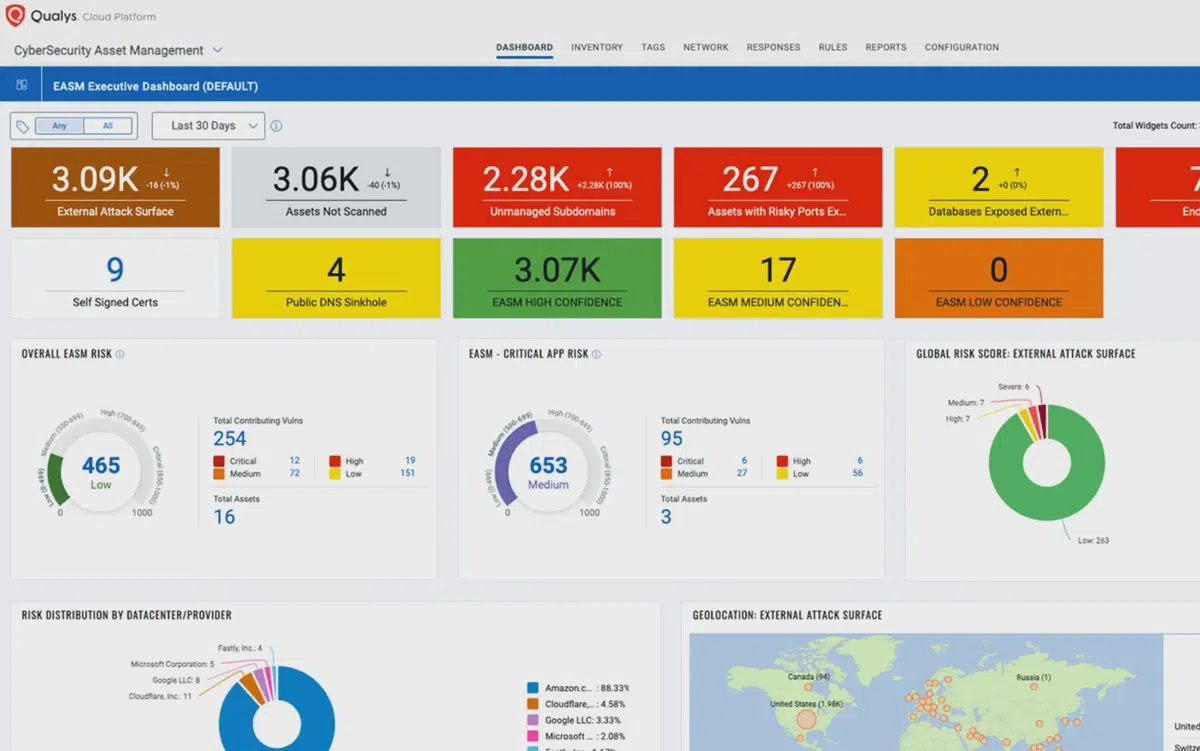
How much vulnerability management costs for 5,000 assets: Qualys, Tenable and Rapid7 priced
All three price by asset or scan target, and the modules are where the bill grows: cost the base platform plus the two modules a 5,000-asset estate actually needs, and give the asset count where each vendor's per-asset price stops being the cheapest.

GitHub Actions vs GitLab CI: what 200,000 build minutes a month costs
Both plans include a monthly minute quota and bill overage per runner size. GitHub Enterprise Cloud includes 50,000 minutes; GitLab Premium is $12 and Ultimate $24 per user per month. Self-hosted runners are free on GitHub.
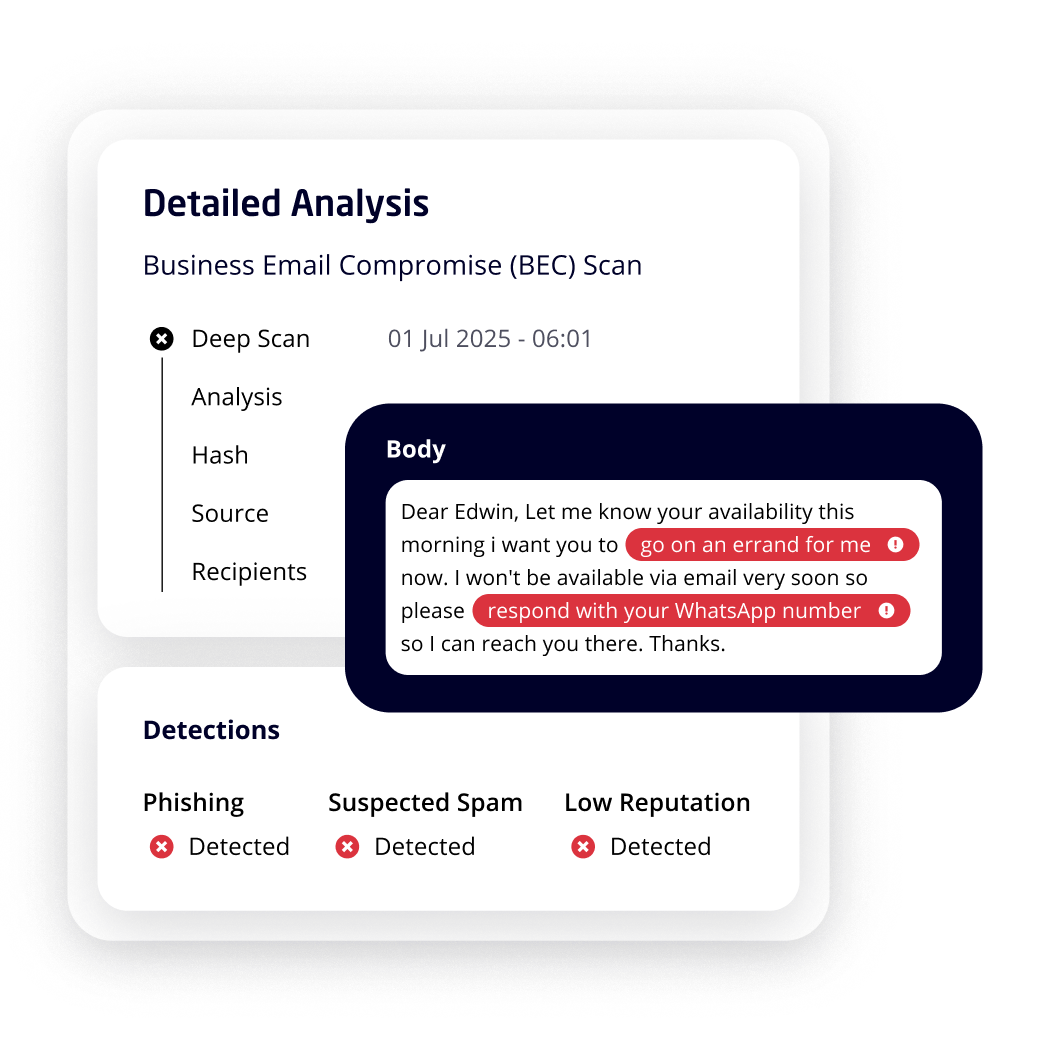
Mimecast vs Abnormal vs Barracuda: what email security costs per mailbox at 2,000 seats
All three publish list prices that only make sense once the add-ons are counted: price 2,000 mailboxes with link protection and the archive each product charges separately, and give the mailbox count where the platform already inside Microsoft 365 stops being…

Managed Postgres vs self-hosted: the monthly bill at 500 GB and 2,000 connections
RDS for PostgreSQL bills per DB instance-hour with a 10-minute minimum, and Multi-AZ doubles the instance bill for a standby that takes no reads. Self-hosting trades that premium for a server and the on-call hours.
Replacing a VPN with ZTNA: what the per-user licence buys at 1,000 staff
ZTNA is priced per user with a connector and a policy tier: cost 1,000 users across the two common models, count what the existing VPN already covers for free, and give the user and app counts where the zero-trust suite is the cheaper bundle.
Kubernetes cost allocation: what the tooling costs against the waste it finds
Kubecost is free to install and quote-only beyond that, so the licence has to pay for itself in waste removed. Cast AI puts average production CPU utilisation at 8%, which is the number the decision turns on.
Ten thousand secrets: what Secrets Manager, Key Vault and Secret Manager charge
AWS Secrets Manager bills $0.40 per secret per month plus $0.05 per 10,000 API calls, and a 10,000-secret estate making 12 million calls a month lands near $4,000 plus $60. Azure Key Vault and Google Secret Manager publish their own meters, so the rotation…
Intune vs Tanium vs Automox: the cost of patching 2,000 endpoints on a schedule
Intune is bundled into Microsoft 365 plans and manages Windows, macOS, iOS and Android from one console. Tanium and Automox publish no per-device rate, so the 2,000-seat comparison turns on what you already licence and what you ask both vendors to quote.
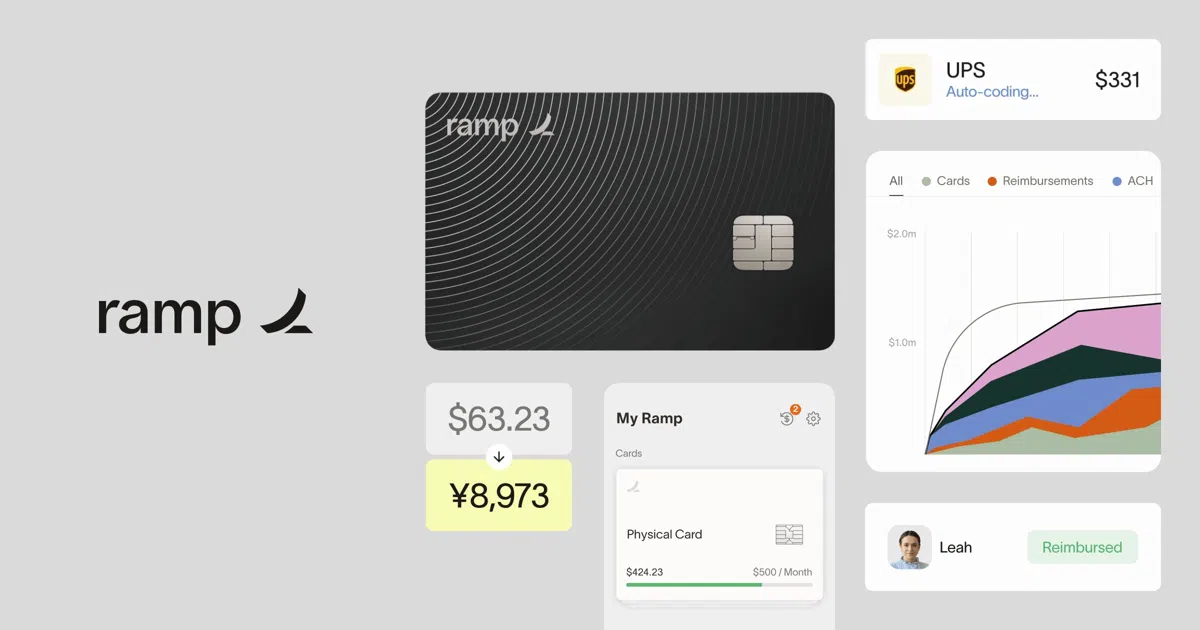
SAP Concur vs Ramp vs Navan: $7 a report against $15 a seat
Concur charges $7 or $11 per expense report, Ramp charges nothing until Plus at $15 a seat, and Navan gives travel away and charges $15 for expensing beyond five users. The subscription is not where the money goes.
Flexera vs Snow vs ServiceNow SAM Pro: 48% were audited last year
Flexera and its Snow Atlas line reconcile installed, used and entitled software, and Flexera is the one that documents SAP's true-up and indirect-access path. None of the three publishes a price.
Workday vs SAP SuccessFactors vs Oracle HCM: $6.30 against $34 a month
SAP publishes $6.30 per employee a month for core HR and $11 for payroll; Workday's reported band starts at $34 and Oracle's list at $24. At 2,000 employees the gap runs past $600,000 a year.

Wiz vs Orca vs Prisma Cloud: the three-year CNAPP bill at 5,000 workloads
Wiz and Orca charge by the workload; Prisma Cloud charges credits per resource. Vendr's 2026 deals put 5,000 workloads at $200,000 to $500,000 a year, and the modules decide which end of the band an estate lands on.

Zscaler vs Netskope vs Prisma Access: what SSE costs at 1,000 users
Zscaler, Netskope and Prisma Access all quote per user and none publishes a rate. Vendr's 2026 deals put the full SASE band at $35 to $80 a user a month, and the bundle decides how much ZTNA, CASB and DLP is included.
CrowdStrike Falcon Complete vs SentinelOne Vigilance vs Arctic Wolf
SentinelOne publishes a per-endpoint list price and a $1M warranty; CrowdStrike publishes a one-minute median containment; Arctic Wolf publishes neither and sells a $3M warranty. None of the three publishes a response-time SLA on its service page.
Veeam vs Rubrik vs Cohesity: ransomware-proof backup for 500 to 2,000 seats
Veeam publishes a per-terabyte price for its cloud vault and documents a Linux hardened repository; Rubrik and Cohesity publish neither a list price nor a restore figure. Immutability is table stakes, and the separate vault is the real split.
A 5 TB a day observability bill is a parsing decision, not a volume problem
At Grafana Cloud's published log rates, 5 TB a day costs about 82,500 dollars a month before volume discounts, and 91 per cent of that sits in two lines. A collector pipeline is where the number moves.

Microsoft closes the last bundled VMware route on 31 October
Microsoft stops selling licence-included Azure VMware Solution on 31 October 2026 and wants customers on a VCF bring-your-own-licence by 30 August 2027. Proxmox's per-socket price is the number that changes the maths.

Windows Server 2016 ends on 12 January 2027 with no published ESU price
Extended support stops on 12 January 2027. Microsoft will sell three more years of patches through Azure Arc, but the per-core price is quote-only and Software Assurance is still the gate.
Copilot, Cursor or Claude Code: the seat bill for 100 developers
Copilot Enterprise lists at $39 a seat, Cursor Teams at $30 plus model usage, and Claude Code averages $150 to $250 a developer a month. The gap is metering, not the seat price.
1Password vs Bitwarden vs Keeper: the 2,000-seat bill after July's price rise
1Password Business moved to $8.99 a seat in July. Bitwarden lists Teams at $4 and Enterprise at $6; Keeper quotes Enterprise. At 2,000 seats the spread is $119,760 a year before secrets management.
Okta vs Entra ID at 2,000 employees: $408,000 or $168,000 a year
Okta's published Essentials suite is $17 a user a month; Entra ID P1 is $7 and P2 is $10. The annual gap runs from $168,000 to $240,000 before the migration work neither price list shows.
Copilot's add-on label comes off on 1 December: the per-seat step to E7
Microsoft stops requiring a base licence for Copilot on 1 December and renames the old SKUs as add-ons. At list, E7 costs $9 a seat more than E5 plus Copilot and adds Agent 365 and the Entra Suite.
Snowflake credits, Databricks DBUs, BigQuery slots: the lines that break a warehouse comparison
BigQuery now bills AI functions by token as well as by bytes scanned. Credits, DBUs and slots never convert cleanly, and the retention, idle and restart rules decide which mid-size warehouse is cheaper.

The Data Act ends cloud switching fees in January 2027. What stays on the renewal
From 12 January 2027 a European customer cannot be charged to leave a cloud, egress included. Until then charges are capped at the cost of switching. Three clocks and one clause decide what a renewal is worth.
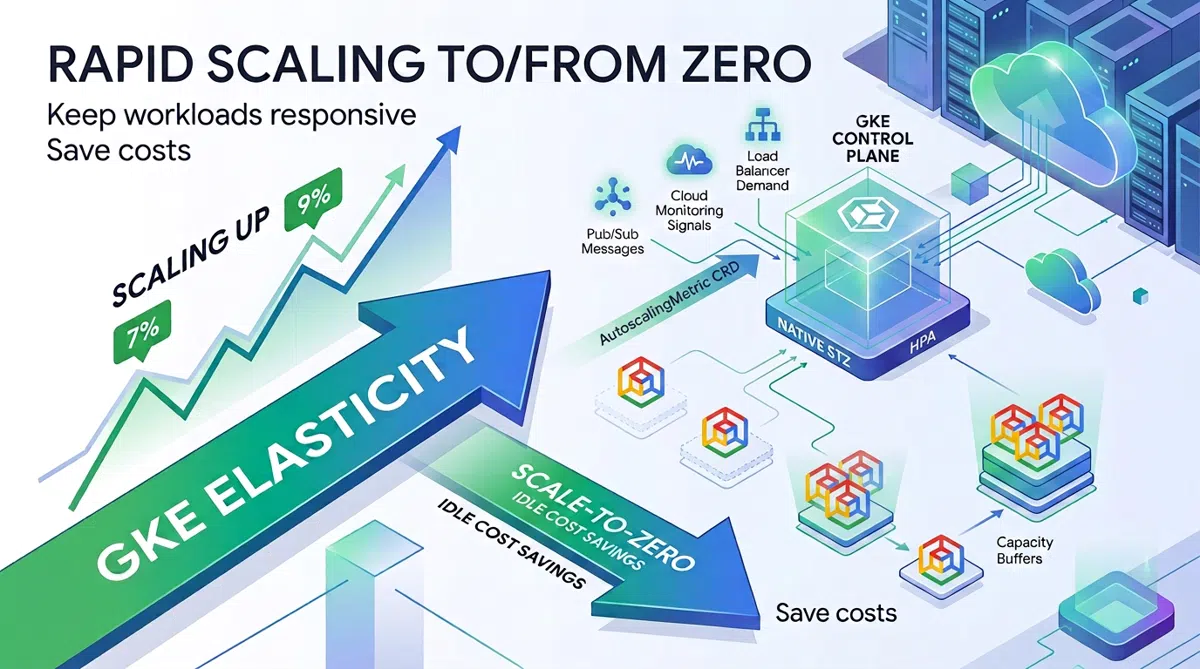
Karpenter, Cluster Autoscaler, Autopilot or Fargate: what decides a 300-node bill
GKE 1.37 added native scale-to-zero in September. On EKS the idle node is still the default. Four ways to buy Kubernetes capacity and the settings that move the number at 200 to 500 nodes.

AWS ran its European cloud with the global backbone switched off. What Azure and Google contract for
AWS tested autonomous operation of its Brandenburg cloud for several hours on 24 October. Microsoft sells sovereignty controls inside Azure; Google sells an air-gapped perimeter. The evidence each will hand a regulator differs.

Sentinel vs Splunk Cloud vs Google SecOps: what 50 GB a day costs for three years
Three platforms meter three different things and two of them publish no rate. For a 1,000-employee estate the three-year number turns on where the logs are born, not on the headline price.
EDR vs MDR at 2,000 endpoints: buying the tool or buying the team
EDR is a per-endpoint licence; MDR is that licence plus an analyst contract. CrowdStrike publishes no price for either, so the decision turns on the internal hours a 24/7 rota needs and what the vendor quotes for the managed tier.
PagerDuty vs Opsgenie: what on-call coverage costs per responder
Opsgenie stopped selling on 4 June 2025 and shuts off on 5 April 2027, so the choice is now PagerDuty or Atlassian's Jira Service Management. PagerDuty's per-user tiers and its $2,800 to $48,000 annual plans set the responder count where each wins.
Exiting a colo: what the last three years of a datacenter cost against cloud
A datacenter exit is a five-year total cost comparison: account for rack fees, cross-connects, power, hardware refresh and the migration project, then give the workload profile where repatriation is the cheaper answer after all.

NIS2 and DORA: what compliance actually costs a 500-employee supplier
Both regimes price compliance in controls and evidence, not licences: NIS2 adds incident reporting and board accountability, DORA adds ICT third-party oversight. A 500-employee supplier usually needs one regime, not two.

Dynamics 365 vs HubSpot: the per-seat cost of an enterprise CRM at 500 seats
Salesforce, HubSpot and Dynamics 365 all publish per-user tiers and all three route real sales automation through add-ons. The seat count where published list pricing stops predicting the bill is the one to price before renewal.
CentOS is gone: what moving 300 servers to RHEL, Rocky or Ubuntu costs
The migration cost is engineer hours per host plus the subscription tier: price 300 servers across the three destinations, include the support contract, and give the host count where the paid distribution is cheaper than the rebuild.
Okta vs Entra ID: what SSO covers and what SCIM provisioning still costs
SSO is the cheap half of identity; provisioning is where the per-user price climbs. Okta's Starter Suite starts at $6 and Essentials at $17 per user/month, while Entra ID P1 and P2 are sold per licence or bundled into Microsoft 365 E3 and E5.
SQL Server end of support: what extended security updates cost against a migration
The ESU bill is per core and runs for three years while a migration is a one-off project: price both paths for a 64-core estate, name the deadline for each version, and give the workload profile where paying ESU for a year is the correct call.

Pinecone vs Weaviate vs pgvector: what a million vectors costs to keep
Pinecone meters reads by namespace size, Weaviate meters stored vector dimensions and pgvector costs only the Postgres you already run. At a million vectors the namespace layout, not the vendor, decides the bill.
ServiceNow vs Jira Service Management vs Freshservice: what an ITSM seat buys at 300 agents
Freshservice publishes three per-agent tiers at $19, $49 and $99 billed annually, with AI agents and Copilot assistants only on the top tier. At 300 agents the tier you land on, not the vendor, sets the bill.
API security: what an API gateway already covers and what the specialist tier adds
Amazon API Gateway bills per million calls with no minimum fee, so a 200-API estate pays for traffic, not API count. The protections it does not document are what a per-API security product sells.
Zerto vs Azure Site Recovery: what a one-hour RPO costs per protected VM
Azure Site Recovery is billed per protected instance plus storage, egress and the recovery-side compute; Zerto bundles replication into a licence. The RPO/RTO pair and the number of VMs decide which bill is smaller.
Backup to object storage: what the egress bill does to a restore plan
Backup storage looks cheap until a restore moves the data out: price a 50 TB backup with one full restore a year across two providers, separate storage, request and egress charges, and give the restore volume where a second copy in another tier is cheaper…

AVD vs Citrix vs Omnissa Horizon: the per-user cost after the Broadcom repricing
Desktop virtualisation pricing per user changed with the Citrix and VMware licence moves. Azure Virtual Desktop publishes its per-user rates; Citrix and Omnissa do not, so the comparison turns on what each vendor will quote at 250 and 1,000 users.
CyberArk vs BeyondTrust vs Delinea: what privileged access costs per admin seat
CyberArk's published pricing page carries no per-seat figure, and the platform is now being rebranded Idira under Palo Alto Networks. Price the three on seat count and ask each vendor for the tier boundary in writing.
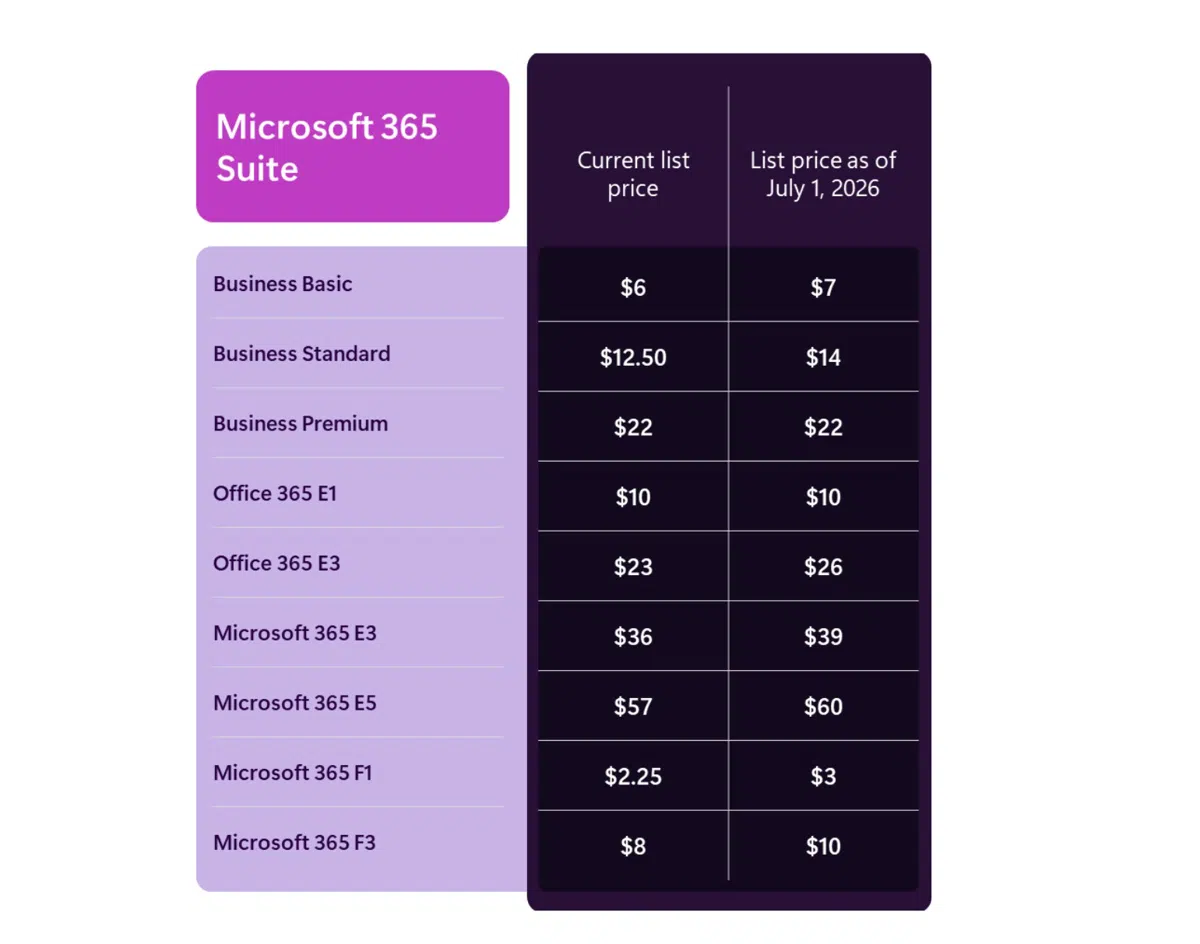
Microsoft 365 E3 vs E5: what the $21 security step buys
E3 lists at $39 and E5 at $60 per user per month. The gap is mostly identity, audit and eDiscovery; Microsoft closed the basic email-protection gap in July 2026.
CrowdStrike vs SentinelOne for the 1,000 to 5,000 seat estate
CrowdStrike correlates detections in a cloud threat graph; SentinelOne runs behavioral AI and rollback on the agent. Offline working and Microsoft's E5 bundling usually settle the choice.

Vanta vs Drata vs Secureframe: what the tool automates, and what your auditor still owns
The three big compliance automation platforms collect evidence and monitor controls, but none of them issues a SOC 2 report. Here is what each charges for, where the auditor fee sits, and which one fits your estate.
Datadog vs Grafana Cloud vs New Relic: what a Kubernetes estate costs
All three bill the shape of the data you send, not the size of the cluster. Cardinality, log indexing and span sampling decide the invoice, and the vendor you pick decides how much of the pipeline you can take with you.

Datadog pricing: what the bill is made of, and five alternatives
Datadog charges per host, per indexed event and per custom metric, and settles the annual commit at renewal. Here is what each line is, which two grow on their own, and how five alternatives price the same work.
Salesforce alternatives for 20-200 seat teams: what the limits cost
HubSpot, Pipedrive, Zoho CRM and Dynamics 365 Sales all undercut Salesforce per seat. The cheaper sticker hides three walls: workflow ceilings, API and sandbox limits, and your custom objects.

SaaS spend management: what Zylo and Torii can see, and what they cannot
Zylo, Torii, Vendr and LicenseFortress compared on discovery method, integrations and pricing model, plus what licence reclamation recovers in two quarters and what it never will.

Virtual data room pricing in 2026: what Datasite, Intralinks and Ansarada charge for
Most data rooms are quote-only, and the invoice tracks three numbers: pages, bidders and months. Here is what the incumbents bundle, what newer platforms sell separately, and where permission controls get thin.
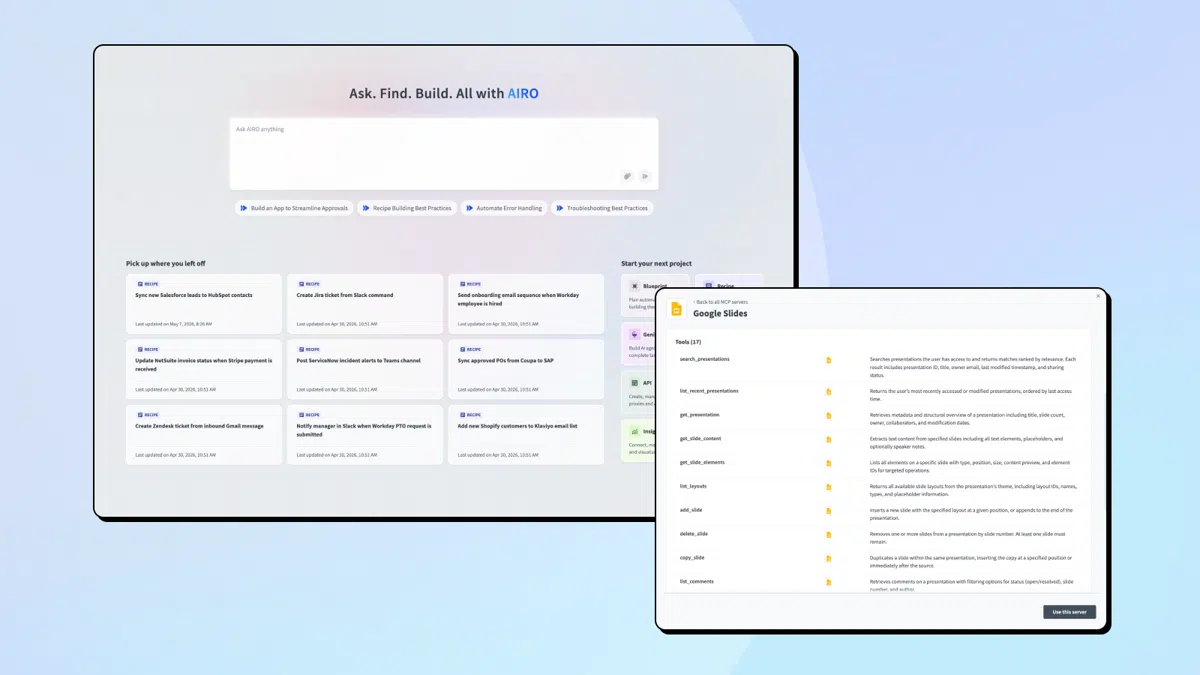
Enterprise AI workflow automation: pricing, RPA limits and governance
Workato, Zapier Enterprise, UiPath, Power Automate and self-hosted n8n meter automation in tasks, runs and executions. Where the bill jumps at scale, what a security review asks for, and which processes still need screen-level RPA.
Advertisement